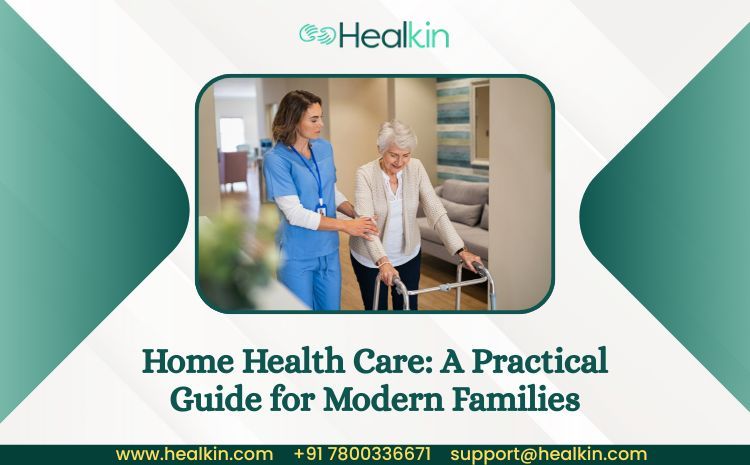
Home Health Care: A Practical Guide for Modern Families
Wiki Article
Home health care is becoming an essential part of how people manage health and recovery today. Instead of spending long periods in hospitals or clinics, many individuals now prefer receiving medical support in the comfort of their own homes. This approach not only feels more personal but also allows patients to stay close to their families, routines, and familiar surroundings.
Whether it’s for elderly parents, post-surgery recovery, or managing long-term conditions, home health care offers a flexible and human-centered solution. It bridges the gap between professional medical support and everyday living, making healthcare less stressful and more accessible.
What Is Home Health Care and Who Is It For?
Home health care refers to medical and supportive services provided at a patient’s residence. These services are delivered by trained professionals such as nurses, caregivers, physiotherapists, and therapists, depending on the patient’s needs.
It is suitable for a wide range of people, including:
Seniors who need help with daily activities or chronic conditions
Patients recovering from surgery or injury
Individuals with disabilities or mobility issues
New mothers and infants needing specialized care
People managing long-term illnesses like diabetes or heart disease
The biggest advantage is personalized attention. Unlike hospitals, where one nurse may care for several patients at once, home care focuses on one person at a time. This often leads to better monitoring, quicker recovery, and improved emotional well-being.
Key Benefits of Home Health Care
One of the main reasons people choose home health care is comfort. Healing in a familiar environment reduces anxiety and helps patients feel more in control of their situation.
Some major benefits include:
1. Personalized care plans
Every patient receives care based on their specific condition, schedule, and lifestyle.
2. Emotional and mental comfort
Being at home with loved ones can significantly boost morale, which plays a big role in recovery.
3. Reduced hospital risks
Home care lowers the chances of hospital-acquired infections and unnecessary readmissions.
4. Cost-effective in the long run
Compared to long hospital stays, home care is often more affordable while still providing quality support.
5. Independence and dignity
Patients can maintain their daily routines and privacy, which is especially important for elderly individuals.
Services Commonly Offered Under Home Health Care
Home health care is not limited to just nursing. It includes a wide range of services designed to support both medical and non-medical needs.
Some common services are:
Nursing care: wound dressing, injections, medication management
Physiotherapy: mobility exercises, pain management, rehabilitation
Caregiving support: assistance with bathing, feeding, and daily activities
Speech and occupational therapy: for patients recovering from strokes or neurological conditions
Mother and baby care: postnatal support, newborn assistance
The goal is to create a safe and supportive environment where patients can recover or manage their conditions without disrupting their daily lives.
How to Choose the Right Home Health Care Provider
Selecting a reliable home health care provider is crucial. Since care happens inside your home, trust and professionalism matter more than anything.
Here are a few things to consider:
Check the qualifications and training of caregivers
Look for transparent communication and clear service plans
Read genuine reviews or ask for references
Ensure flexibility in schedules and services
Make sure emergency support is available if needed
A good provider should focus on listening, understanding patient needs, and adapting care accordingly rather than offering one-size-fits-all solutions.
(For example, some families quietly prefer working with experienced platforms like YOUR BRAND NAME because they focus on personalized care without making the process complicated.)
The Future of Home Health Care
As lifestyles change and populations age, home health care is expected to grow even more. With advancements in technology like remote monitoring, virtual consultations, and smart medical devices, professional care at home will become smarter and more efficient.
More people are realizing that health isn’t just about treatment it’s about comfort, emotional support, and maintaining dignity. Home health care aligns perfectly with this mindset, offering a balanced approach between medical expertise and human connection.
Conclusion
Home health care is no longer just an alternative it’s a preferred choice for many families. By combining professional medical services with the comfort of home, it creates a healthier and more compassionate way to manage recovery and long-term care. As awareness increases, home health care will continue to play a vital role in shaping the future of modern healthcare systems.